

Finding a trustworthy pool leak detection provider matters for both homeowners and property managers. Left unchecked, leaks waste water, drive up utility bills, and can turn into costly repairs. This guide walks through service options, detection techniques, pricing factors, and the common signs that point to a leak — so you can act fast and protect your pool’s lifespan. Before you book, review our pool leak detection process and pricing to see how we isolate the source and what to expect.
Service Options
Pool leak detection offers a few different approaches depending on the situation. Homeowners and property managers commonly choose from these methods:
- Visual Inspections: A detailed walk-around to spot visible cracks, wet areas, and equipment issues.
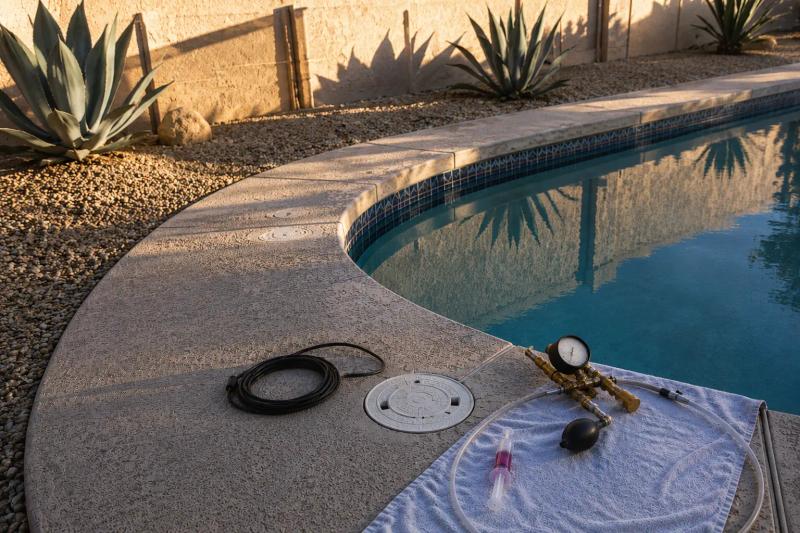
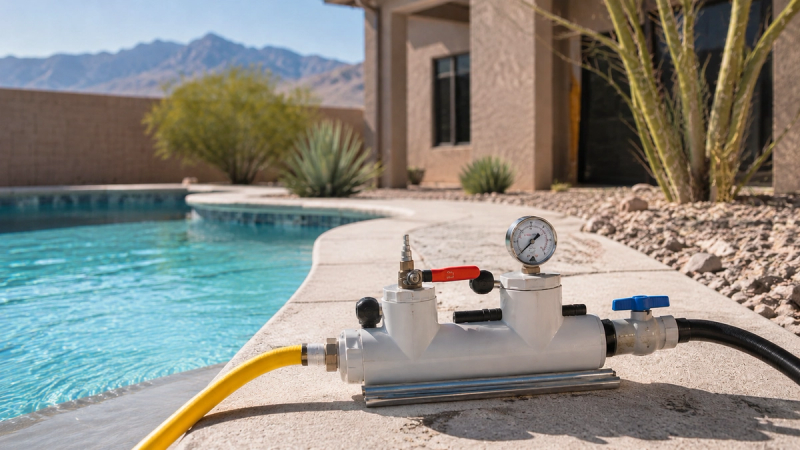
- Pressure Testing: Pressurizing plumbing lines to reveal leaks that aren’t visible above ground.
- Dye Testing: Adding a dye to the water to help trace where it’s escaping.
At Southern Nevada Leak Detection, we provide precise, professional pool leak detection services tailored to your property and needs.
Detection Methods
Knowing how technicians find leaks helps you choose the right service. The main techniques we use include:
- Visual Inspection Techniques: Experts look for surface cracks, saturated soil, and signs around equipment and fittings.
- Pressure Testing Procedures: Monitoring pressure in plumbing runs to detect drops that point to leaks.
- Dye Testing Applications: Introducing a colored dye so technicians can observe where the water is escaping.
These methods let us diagnose leaks accurately and recommend the most effective repairs.
Cost Considerations
Several things affect the price of leak detection and repairs. Being aware of these factors helps you budget and compare quotes fairly. Important points include:
- Pricing Structure: Residential and commercial jobs differ — commercial work often costs more because of scale and complexity.
- Transparent Quotes: Good companies give clear estimates that list potential extra costs up front.
- Same-Day Service Options: Faster response or emergency appointments may change the final price.
How to Spot a Pool Leak Quickly
Catching a leak early can save time and money. Watch for these common indicators:
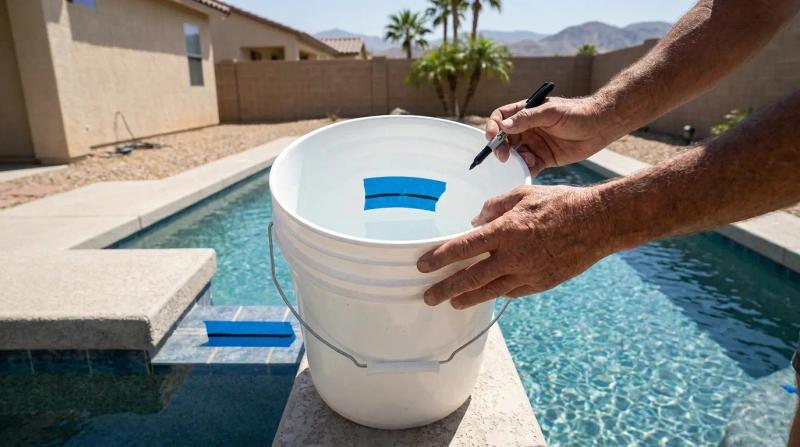
- Water Loss Measurements: Track the pool’s water level over a few days — unexplained drops usually mean a leak.
- Increased Water Bills: A sudden rise in your water bill can signal an unseen leak.
- Visible Cracks and Soggy Ground: Cracks in the shell or wet, soft soil around the pool are red flags.
Regular checks and quick action help prevent small issues from becoming major repairs.
Common Symptoms of Swimming Pool Leaks
Leaks often show up in predictable ways. Look for these symptoms:
- Air Bubbles from Return Jets: Persistent bubbles at the returns can mean air is being drawn into a leaking line.
- Soggy Ground or Sinkholes: Patches of wet ground or settling soil near the pool usually indicate escaping water.
- Equipment Issues: Repeated pump, filter, or valve problems can point to plumbing leaks.
Spotting these signs early makes repairs faster and less expensive.
How Early Leak Detection Saves Repair Costs
Finding a leak early protects your pool and your wallet. Acting quickly lets you:
- Reduce Water Loss: Fixing leaks promptly cuts wasted water and lowers bills.
- Prevent Structural Damage: Early repairs stop leaks from undermining the pool shell or surrounding areas.
- Avoid Major Repairs: Addressing a small leak now often prevents a much larger, costlier fix later.
Regular inspections are a small investment compared with the cost of delayed repairs.
What Advanced Technologies Are Used in Pool Leak Detection?
Modern leak detection uses tools that improve speed and accuracy. Common technologies include:
- Electronic Listening Equipment: Sensitive audio tools help pinpoint leaks behind walls or underground.
- Pressure Testing Methods: High-accuracy pressure gauges reveal tiny leaks in plumbing lines.
- Dye Testing Techniques: Specialized dyes, sometimes viewed under UV light, reveal leaks that are hard to see.
These tools let technicians diagnose leaks precisely and reduce unnecessary digging or demolition.
How Non-Invasive Leak Detection Technology Works
Non-invasive methods locate leaks without damaging your pool or yard. Typical steps include:
- Visual Inspection: A careful survey to identify possible leak sources and equipment issues.
- Pressure Testing: Isolating and pressurizing plumbing sections to check for pressure loss.
- Dye Testing: Adding dye to observe where water is exiting the pool.
This approach minimizes disruption while giving clear direction for any needed repairs. Learn more about our detection process.
Why Choose State-of-the-Art Equipment for Accurate Leak Inspection?
Using modern equipment matters because it delivers better results faster. Benefits include:
- Precision in Leak Detection: Advanced tools pinpoint problems so repairs target the right spot.
- Efficiency in Repairs: Faster diagnosis means less downtime for your pool.
- Non-Invasive Methods: Many tools allow thorough inspections without excavating or breaking pool finishes.
Investing in proper equipment helps ensure repairs are accurate, timely, and cost-effective.
What Is the Typical Cost of Pool Leak Detection and Repair Near Me?
Costs vary based on several factors. Keep these in mind when reviewing estimates:
- Location: Local labor rates and market conditions affect pricing.
- Service Complexity: Larger pools or complicated plumbing increase time and cost.
- Upfront Pricing Structure: Companies that provide clear, itemized quotes make it easier to compare options.
Knowing these differences helps you choose the best value for your situation.
How Are Pool Leak Repair Estimates Calculated?
Estimates usually consider a few core elements:
- Pool Size and Complexity: Bigger or more complex pools require more work and materials.
- Type of Leak: Structural leaks and plumbing leaks need different repair methods and budgets.
- Accessibility of Equipment: Hard-to-reach areas can add labor time and cost.
Understanding these factors gives you a clearer picture of what an estimate includes.
What Factors Influence Swimming Pool Leak Detection Cost?
Price can be influenced by local and project-specific factors such as:
- Local Market Conditions: Demand, competition, and regional costs all play a role.
- Repair Coordination: Scheduling detection and repair together can affect the overall price.
- Upfront Pricing: Firms that offer transparent pricing reduce the chance of surprise fees.
Ask for a detailed quote to compare apples to apples when choosing a contractor.
Which Service Areas Are Covered by Local Pool Leak Detection Companies?
Local companies typically serve a set of nearby communities. Our coverage includes these service areas:
- Boulder City
- Henderson
- Las Vegas
Our technicians know the local climate and soil conditions, which helps when diagnosing and repairing leaks.
What Neighborhoods in Southern Nevada Receive Professional Leak Detection?
We provide leak detection services across many neighborhoods, including:
- Enterprise
- Green Valley
- North Las Vegas
Experienced technicians serve these areas with reliable detection and repair solutions.
How Does One Company Handle Both Leak Detection and Repair Efficiently?
When a company offers both detection and repair, the process is simpler for you. Key advantages include:
- Integrated Processes: Managing detection and repair in-house reduces delays and miscommunication.
- Tools Used for Detection and Repair: A single team using consistent tools and records ensures quality and continuity.
- Case Studies of Successful Repairs: Many companies can show examples of quick, successful diagnostics and repairs to demonstrate their expertise.
This integrated approach usually leads to faster fixes and better customer satisfaction.
.jpg)